
Teeth Fillings in Richmond Hill, ON
Teeth Fillings Near You
A small cavity may not cause noticeable discomfort at first, but it can grow if it is left untreated. A dental filling repairs the affected part of a tooth and helps restore its shape and function. At Red House Dental, we provide teeth fillings in Richmond Hill, ON, to treat cavities and help protect your natural teeth.
Getting a tooth checked early may help prevent the need for more extensive treatment later. If you are looking for teeth fillings near you, our team welcomes patients from Richmond Hill and nearby communities at 38 Arnold Crescent, Richmond Hill, ON, L4C 3R5.
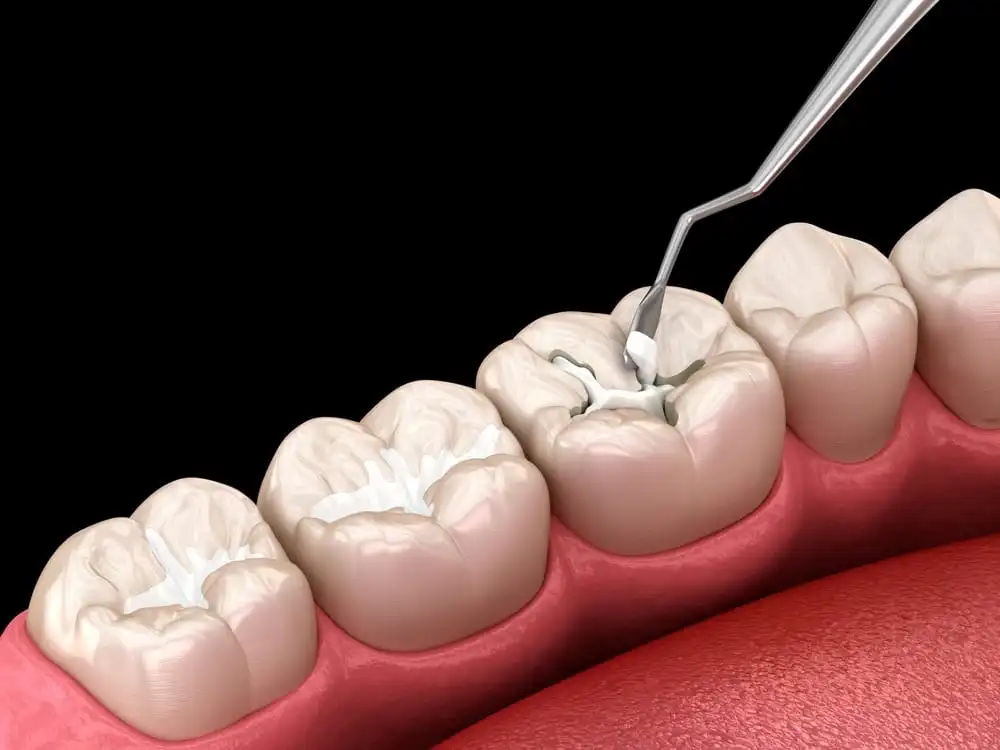
What Are Tooth Fillings?
A dental filling is a restoration used to repair a tooth damaged by decay or, in some cases, minor wear or damage. During treatment, the dentist removes the decayed portion of the tooth and fills the prepared space with a suitable material. The goal is to restore the tooth so you can bite and chew more comfortably.
Tooth-colored composite resin is commonly used for fillings because it can be matched to the natural shade of your teeth. An examination with a dentist in Richmond Hill, ON, can help determine whether a filling is suitable or whether another treatment may be needed.
What Are the Benefits of Dental Fillings?
When a filling is appropriate, it can help restore a tooth and support everyday oral function.
Repairs Tooth Decay
Removes the damaged area and fills the prepared space.
Preserves Natural Teeth
Helps retain more of your original tooth than may be possible with more extensive treatment.
Restores Chewing Function
Repairs the tooth so you can bite and chew more comfortably.
Blends With Your Smile
Tooth-colored material can provide a natural-looking result.
Helps Limit Further Damage
Treating decay can prevent it from spreading deeper into the tooth.
Supports Daily Comfort
Repairing a cavity may reduce symptoms once the tooth has been treated.
Choosing teeth fillings near you can make it easier to address a cavity before it becomes more serious.
What to Expect During a Filling Appointment
If you are looking for a dental clinic near you for a tooth filling, our team will explain each step before starting, so you know what to expect. The exact procedure depends on the size and location of the cavity.
Examination
We assess the tooth and may take dental X-rays if needed.
Numbing the Area
Local anesthesia may be used to help keep you comfortable.
Removing Decay
The dentist removes the decayed portion of the tooth.
Placing the Filling
The selected filling material is placed and shaped to fit your tooth.
Checking Your Bite
We assess how your teeth meet and make adjustments as needed.
You may experience temporary sensitivity after treatment. Contact us if the discomfort worsens or does not improve as expected.

Why Choose Us?
Treating a cavity is not only about filling a space; it is also about understanding the tooth’s condition and how to protect it in the future.
Care Based on Your Needs
We consider the condition of the tooth and the extent of decay before recommending a suitable restoration.
Natural-Looking Options
We can discuss appropriate filling materials, including tooth-colored composite resin, which can blend with your natural teeth.
Clear Recommendations
We explain the proposed treatment and answer your questions so you understand why a filling may be recommended.
Attention to Your Bite
We check the shape and fit of the filling to help it feel comfortable when you bite and chew.
Prevention Guidance
We share practical advice on brushing, flossing, and reducing your risk of developing further cavities.
A Long-Term Perspective
We consider how the repaired tooth may need to be monitored over time and explain when it should be checked again.
Arrange a Dental Filling Appointment
FAQs
Are dental fillings painful?
Local anesthesia can help prevent pain during the procedure. Some patients experience temporary sensitivity afterward, which usually improves, but persistent or worsening discomfort should be checked.
How long do tooth-colored fillings last?
Their lifespan depends on the filling’s size, location, your bite, and your oral hygiene habits. Regular checkups help your dentist monitor the restoration and identify any wear or damage.
Can a cavity heal without a filling?
A cavity that has formed a hole in the tooth generally cannot repair itself and may require a filling or another treatment. Very early changes in enamel may sometimes be managed with fluoride and improved oral care, depending on the findings.
Can I eat after getting a filling?
You can usually eat when the numbness has worn off, so you do not accidentally bite your cheek or tongue. Follow any specific instructions from your dentist, particularly if you received a larger restoration or have ongoing sensitivity.