
Broken/Damaged Teeth Treatment in Richmond Hill, ON
Broken/Damaged Teeth Treatment Near You
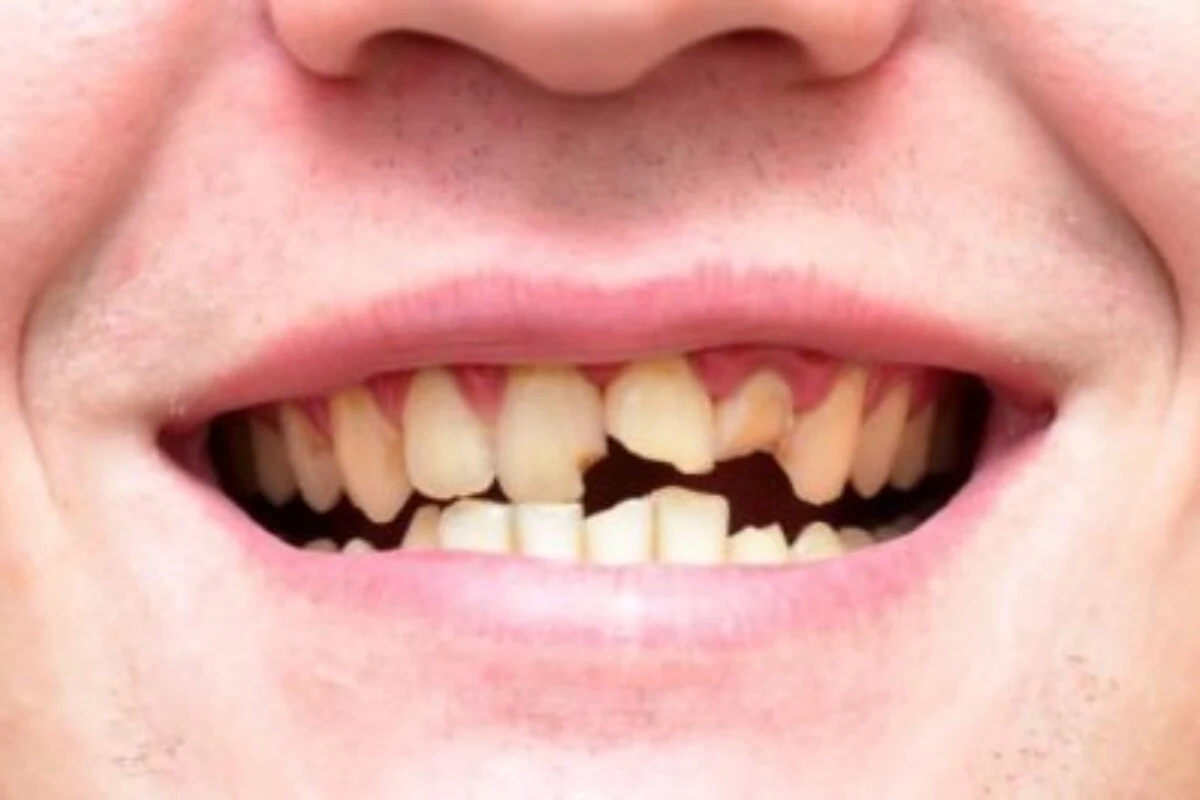
A broken or damaged tooth can happen while eating, playing sports, or after an accidental injury. Even a small chip may leave a rough edge, while a deeper fracture can cause pain and affect the tooth’s strength. At Red House Dental, we provide broken/damaged teeth treatment in Richmond Hill, ON, to assess the damage and discuss suitable ways to restore your tooth.
The right treatment depends on how much of the tooth has been affected. If you are looking for broken/damaged teeth treatment near you, our team welcomes patients from Richmond Hill and nearby communities at 38 Arnold Crescent, Richmond Hill, ON, L4C 3R5.
How Can a Damaged Tooth Be Restored?
Treatment for broken or damaged teeth involves repairing or protecting a tooth that has lost part of its structure. The damage may range from a small enamel chip to a deeper crack that reaches the inner part of the tooth. Treatment options can include smoothing a minor rough edge, bonding, a filling, an onlay, a crown, or root canal treatment when the pulp is affected.
The goal is to protect the remaining tooth structure, restore function, and address any pain or infection. An examination with a dentist in Richmond Hill, ON, can help determine the extent of the damage and the most suitable treatment.
Why Should You Treat a Broken or Damaged Tooth?
Prompt assessment can help your dental team understand the extent of the damage and choose a suitable approach to protect the tooth.
Protects Remaining Structure
Helps prevent further damage to weakened areas.
Restores Tooth Shape
Repairs chips and missing portions when possible.
Improves Chewing
Helps restore the tooth’s ability to handle normal biting forces.
Addresses Sensitivity
Treats exposed or damaged areas that may cause discomfort.
Supports Natural Tooth Preservation
May help retain the original tooth when enough healthy structure remains.
Improves Appearance
Can restore the shape and look of a damaged front or back tooth.
Choosing broken/damaged teeth treatment near you allows you to address the problem before it becomes more extensive.
What Happens During a Broken Tooth Repair Appointment?
Treatment depends on the location, depth, and type of damage.
Initial Assessment
We ask how the injury happened and whether you have pain or sensitivity.
Examination and Imaging
We assess the tooth and may take X-rays to check for more serious damage.
Treatment Recommendation
Our team explains whether bonding, a filling, an onlay, a crown, or another option may be suitable.
Repair or Protection
The recommended restoration is placed or planned to protect the affected tooth.
Bite Check
We check how the repaired tooth meets the opposing teeth.
Follow-Up
Our dentist explains how to care for the tooth and whether further monitoring is needed.
If the tooth is fractured below the gumline or the pulp is severely damaged, saving it may not always be possible.
Steps to Take After Breaking or Chipping a Tooth
Rinse your mouth gently with warm water and avoid chewing on the injured side. If a piece of the tooth has broken off, keep it in a clean container and bring it to your appointment. Use a cold compress on the outside of your cheek if swelling develops. Avoid applying pressure to the tooth or attempting to repair it yourself.
If a permanent tooth is completely knocked out, seek emergency dental care immediately and keep the tooth moist. Difficulty breathing or swallowing, severe facial injuries, or uncontrolled bleeding require emergency medical attention.
Why Choose Us?
A damaged tooth may need more than a quick repair. We consider the extent of the injury and how the tooth can best be protected.
Care Based on the Type of Damage
We assess whether the problem is a small chip, a crack, or a more extensive fracture before discussing treatment.
Focus on Preserving Natural Teeth
When possible, we consider options that help retain the remaining healthy tooth structure.
Restorative Options Explained
Our team discusses suitable treatments, such as bonding, fillings, onlays, or crowns, based on the condition of the tooth.
Attention to Your Bite
We check how the repaired tooth meets other teeth to help support comfortable chewing.
Clear Advice After Treatment
Our dentist explains how to care for your repaired tooth, what to avoid, and when to return for a follow-up visit.
Planning for Long-Term Protection
We consider whether the tooth may need monitoring or additional protection to reduce the risk of future damage.
Get Your Damaged Tooth Checked
FAQs
Can a small chipped tooth be repaired?
Yes, some small chips can be repaired with dental bonding or another suitable restoration. Your dentist will check the location and extent of the chip before recommending treatment.
Does a cracked tooth always need a crown?
No, the treatment depends on the depth, location, and severity of the crack. Some minor damage may need a smaller restoration, while a more weakened tooth may require a crown or other treatment.
What should I do if my tooth breaks while eating?
Rinse your mouth gently, avoid chewing on the damaged side, and contact a dentist near you for an assessment. If you can find the broken piece, keep it in a clean container and bring it with you to your appointment.
Can a broken tooth become infected?
Yes, more serious damage may expose the inner tissues of the tooth and allow bacteria to enter. Seek dental care if you develop worsening pain, swelling, fever, or a bad taste in your mouth.