
Botox can ease TMJ pain by relaxing the chewing muscles that clench and grind. A few small injections into the jaw and temple muscles reduce how hard those muscles can contract, which can lower jaw pain, morning headaches and tension. It does not fix the joint itself, but it can give the muscles a break while other habits and treatments are addressed.
What Is TMJ Disorder?
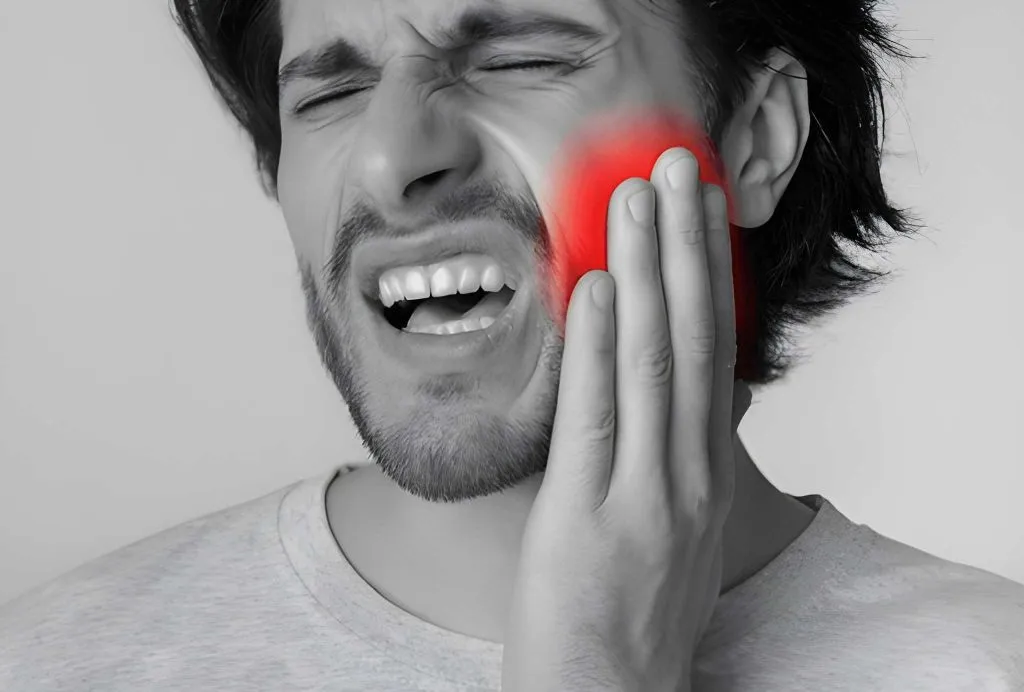
The temporomandibular joints (TMJ) connect your lower jaw to your skull, just in front of each ear. TMJ disorder, often called TMD, describes pain or problems in these joints and the muscles that move them. Common signs include:
- Aching in the jaw, face or around the ears
- Clicking or popping when you open or close your mouth
- Tight, tired jaw muscles, especially in the morning
- Headaches at the temples
- Worn or chipped teeth from grinding
For a full overview of causes, see our guide to TMJ symptoms and early signs.
How Botox Helps TMJ Pain
Botox is a purified protein that blocks the signal from a nerve to a muscle. When it is placed in the masseter (the large muscle at the angle of the jaw) and sometimes the temporalis (at the temple), those muscles cannot clench as forcefully. Many people who grind or clench at night find that their jaw feels less tired and sore once the muscles relax.
Botox works best when muscle tension is the main source of pain. If the pain comes from damage inside the joint, other treatments may be needed alongside it.
Who May Benefit
- People who clench or grind their teeth, especially during sleep
- Those with tight, enlarged or tender jaw muscles
- People whose TMJ pain has not improved enough with a night guard alone
- Those with tension headaches linked to jaw clenching
Botox is not recommended during pregnancy or breastfeeding, or for people with certain nerve and muscle conditions. Your dentist will review your health history first.
What Happens at the Appointment
Assessment
Your dentist examines your jaw joints, muscles, bite and teeth, and asks about your symptoms. This helps confirm whether muscle tension is a major part of the problem.
Treatment
The injection sites are cleaned and a fine needle is used to place small amounts of Botox into the chosen muscles. The visit usually takes 15 to 30 minutes, and most people describe the injections as a quick pinch.
Afterwards
You can usually go back to normal activities right away. For the rest of the day, avoid rubbing the treated areas, lying flat for a few hours, and heavy exercise. Mild redness or tenderness at the injection sites fades quickly.
How Long Does It Take to Work?
Most people notice a difference within three to seven days, with the full effect after about two weeks. Results usually last three to four months, after which treatment can be repeated if it helped.
How Many Treatments Will You Need?
Some people get enough relief from a single round, while others choose to repeat treatment every few months. Over time, the jaw muscles can become less bulky and less active, and some people find they need treatment less often. Your dentist will review how you felt after each round and adjust the plan, including whether a lower dose or longer gap makes sense.
Botox vs a Night Guard
A night guard protects your teeth from grinding but does not stop the muscles from clenching. Botox reduces the force of clenching but does not protect the teeth. Many people do well with both: the guard shields the teeth while Botox lowers the strain on the jaw muscles.
Possible Side Effects
Side effects are usually mild and short-lived. They can include bruising, tenderness, a mild headache, or a temporary feeling of weaker chewing on hard foods. Your dentist will explain the risks and adjust the dose to your needs.
Botox and Other TMJ Treatments
Botox often works best as part of a wider plan. That plan may include a custom night guard to protect your teeth, jaw exercises, heat or ice, stress management, and avoiding chewing gum or very hard foods. If your bite is part of the problem, your dentist may also suggest dental work to balance it. Read more about our approach to TMJ/TMD treatment in Richmond Hill.
Is Botox Right for Your Jaw Pain?
If you wake up with a sore jaw, clench during the day or have headaches that start at your temples, an assessment can tell you whether Botox is a good fit. Ask our team about TMJ pain treatment with Botox in Richmond Hill, or call (905) 883-4643 to book a visit.
Frequently Asked Questions
How long does Botox for TMJ last?
Results usually last about three to four months. Some people find the effect lasts longer after several treatments as the muscles become less active.
How soon does Botox work for jaw pain?
Most people start to notice less muscle tension within a few days, with the full effect in about two weeks.
Is Botox for TMJ covered by insurance?
Coverage varies. Some plans consider it cosmetic, while others may cover part of it when it is used to treat jaw pain. Ask your insurer before treatment.
Will Botox change how my face looks?
The dose for TMJ is aimed at the chewing muscles. Some people notice a slightly slimmer jawline over time as the masseter muscle relaxes, but facial expressions are not affected.